Fast summary
- Compare both paths over the same ownership period and exclude costs they share equally.
- Assign an opportunity cost to a bicycle that will live permanently on the trainer.
- Count drivetrain wear, fit parts, fan, mat, device support, shipping, and return risk.
- A Zwift Ride bundle can overlap with a premium trainer plus dedicated donor-bike budget.
- Subscriptions usually do not decide smart bike vs trainer because both paths use them.
The trainer looks cheaper because its price tag excludes half the machine: the bicycle. The smart bike looks complete because its price tag hides future freight, proprietary parts, and the chance that one service event disables the whole setup.
A fair comparison assigns a cost to every resource each path consumes over the same period. This guide gives you the worksheet, realistic planning bands, and the assumptions that can reverse the result.
The ownership-cost formula
Use this structure: purchase price + allocated bike cost + setup accessories + consumables + expected service and transport + subscriptions specific to the choice - expected resale value. Calculate all figures for the same three-year window and currency.
Do not add a Zwift membership only to the smart-bike column if you would use Zwift with the trainer. Shared costs cancel out when comparing paths. The useful question is which costs change because of the hardware decision.
| Line item | What to enter | Common mistake |
|---|---|---|
| Hardware | Delivered checkout price after tax and shipping | Using MSRP for one path and sale price for another |
| Allocated bicycle | Current resale value or donor-bike purchase | Calling a permanently mounted bike free |
| Fit parts | Saddle, pedals, crank option, bars, adapters | Assuming supplied touchpoints fit everyone |
| Room setup | Fan, mat, stand, screen mount, sweat protection | Pretending premium hardware removes the need for cooling |
| Consumables | Chain, cassette/Cog, bar tape, batteries, lubricant | Calling any indoor machine maintenance-free |
| Service/logistics | Packing, freight, collection, restocking, downtime reserve | Checking warranty length but not the return process |
| Resale | Conservative net resale after fees and transport | Using an optimistic asking price |
Reference hardware prices, with a warning
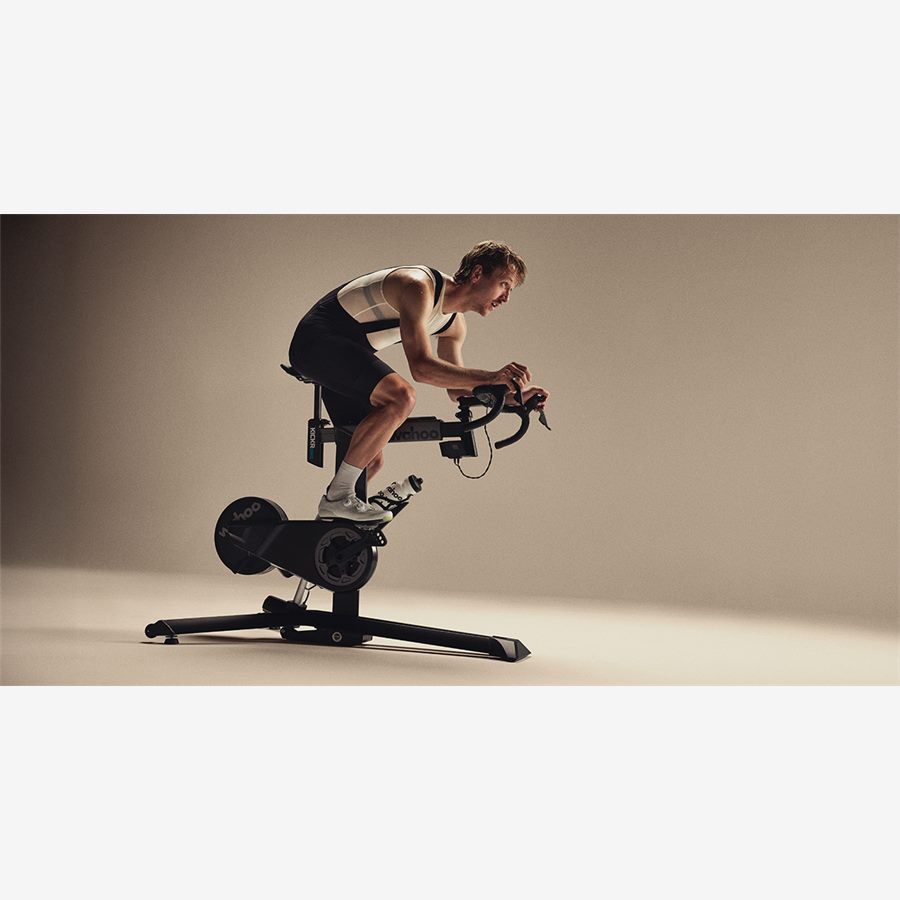
Official US pages checked in August 2026 showed a KICKR CORE 2 list price around $550, Zwift Ride with CORE 2 around $1,300 before temporary promotions, KICKR BIKE SHIFT around $2,550, and KICKR BIKE PRO with a $4,000 list price. These are reference anchors, not promises about today's checkout.
Promotions can temporarily narrow the gap by hundreds of dollars. Compare delivered prices on the same day, then preserve your cost sheet. A discount is valuable only when the product passes the fit, app, and service tests.
| Path | Reference hardware class | What is still missing |
|---|---|---|
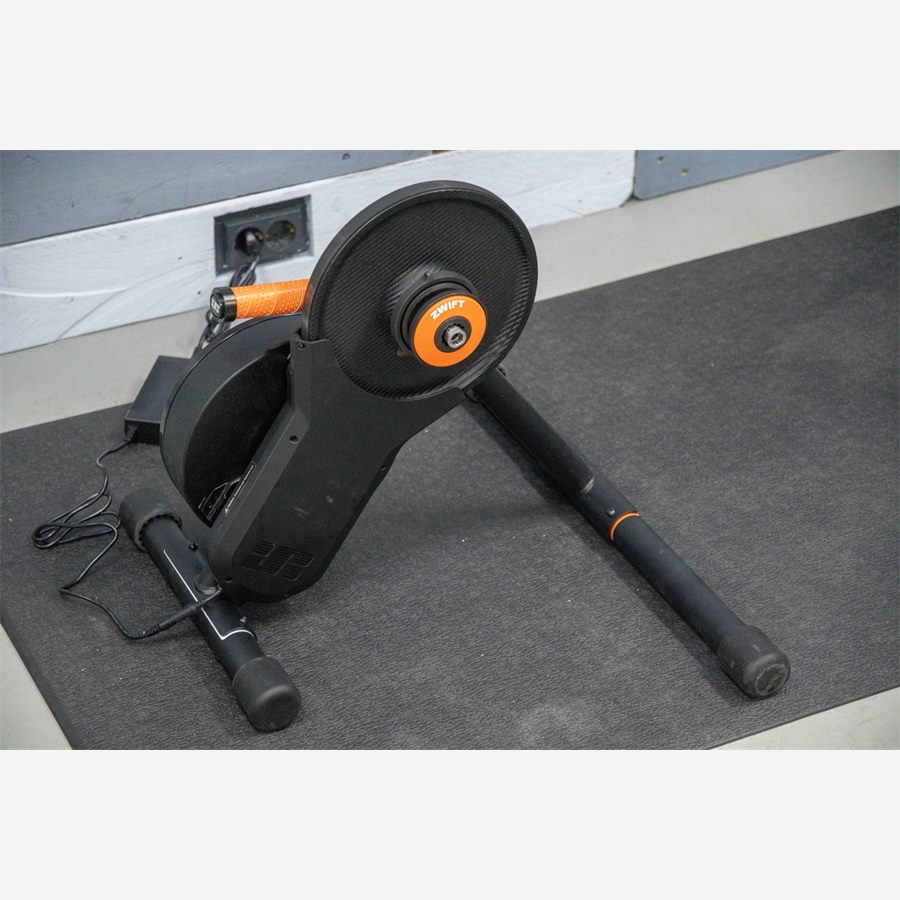
| CORE 2 + existing bike | About $550 trainer | Allocated bike, pedals, cooling, floor and device setup |
| CORE 2 + donor bike | Trainer plus full bicycle | Fit parts, drivetrain matching, storage and maintenance |
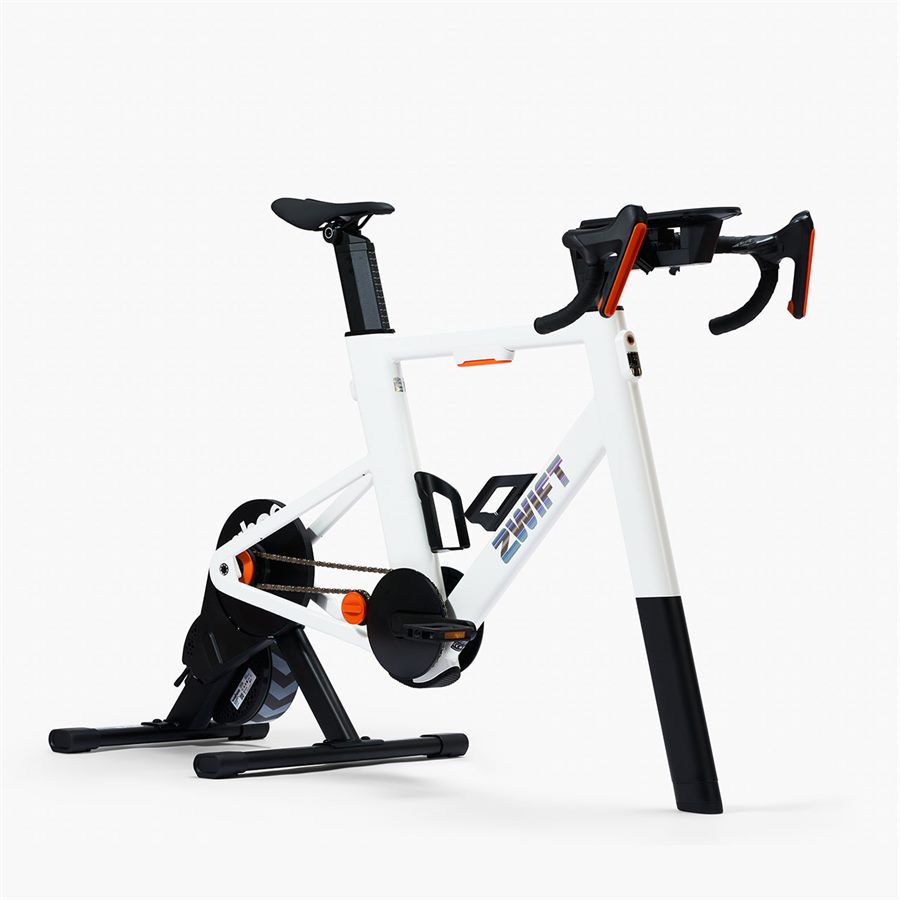
| Zwift Ride + CORE 2 | About $1,300 list bundle | Preferred pedals/saddle, cooling, floor and screen setup |
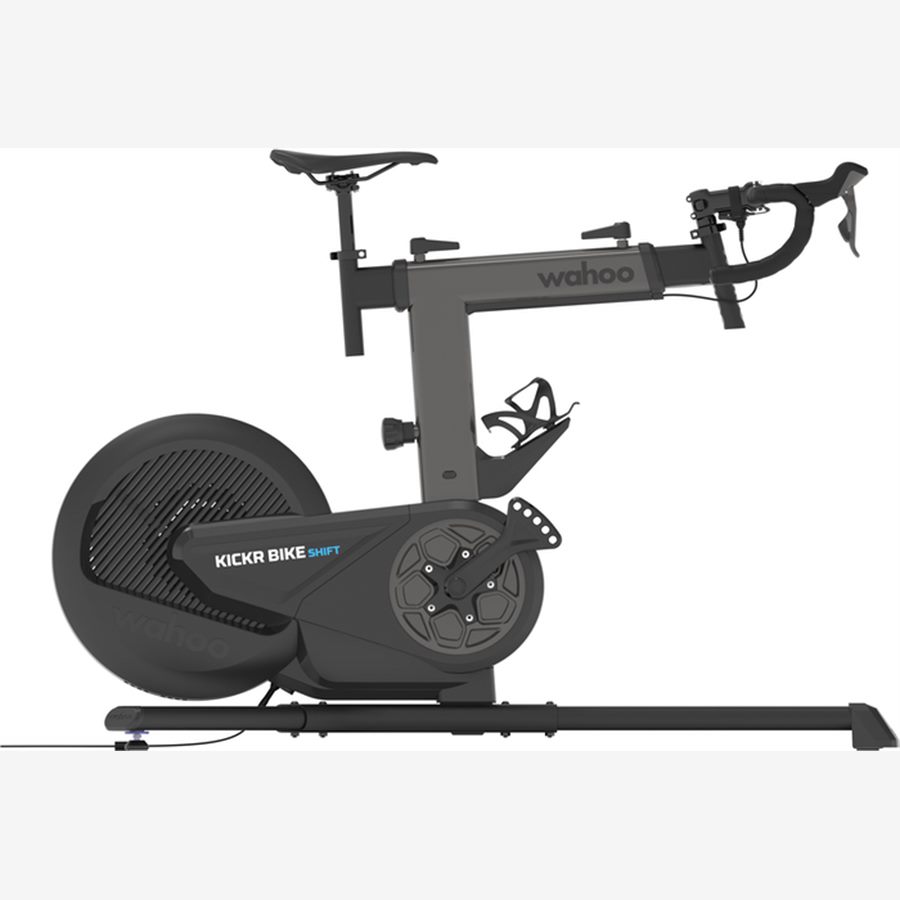
| KICKR BIKE SHIFT | About $2,550 | Pedals, touchpoint changes, room and app |
| KICKR BIKE PRO | About $4,000 list | Pedals, room, app, and freight-aware ownership |
Put a value on the trainer bicycle
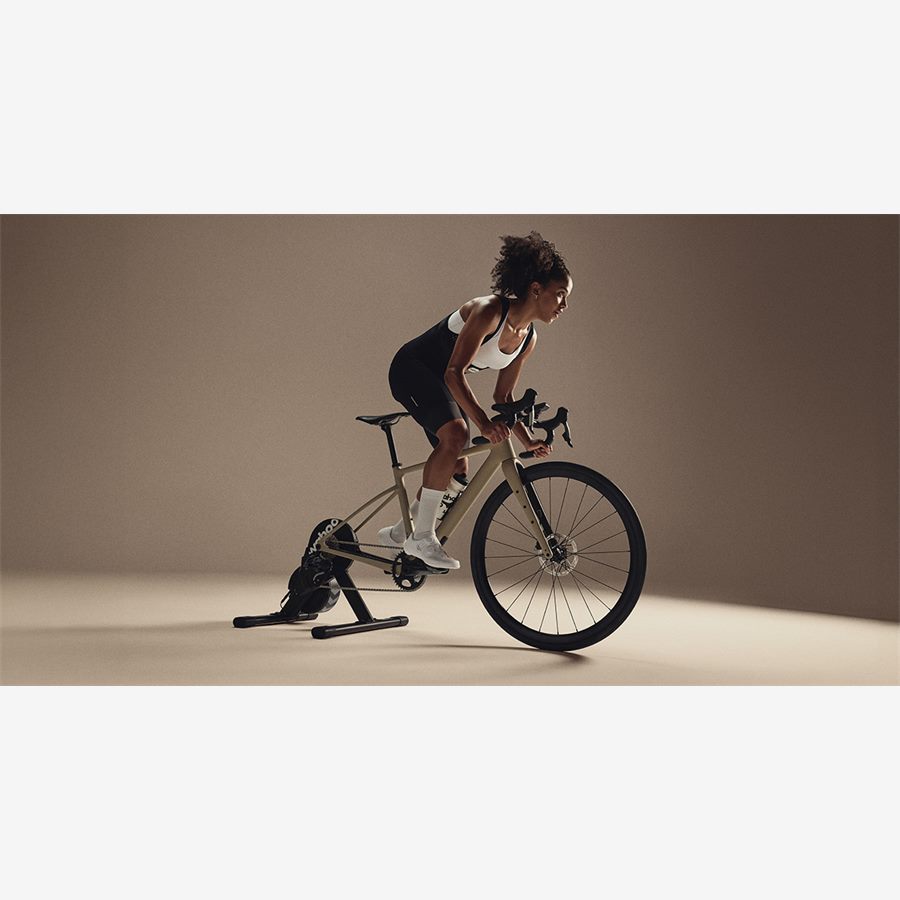
There are three honest ways to price the bicycle. If the bike remains available outdoors, allocate only incremental wear and changeover time. If it stays mounted all season, use its current resale value or the cost of an equivalent donor bike. If indoor sweat accelerates corrosion or you avoid riding it outdoors to preserve the setup, include that lost utility.
A $550 trainer under a $3,000 race bike is not automatically a $550 indoor setup. It may still be the right choice because the fit is exact and the bike already exists, but the comparison should show the asset being used.
Use current resale value, not original retail. Ownership decisions are about what the bike is worth and what else you could do with it now.
Consumables and maintenance over three years
A conventional trainer setup wears the mounted bicycle's chain, cassette, chainrings, bar tape, bearings, and contact hardware. A Cog reduces cassette matching but does not eliminate the chain. Sweat management matters because an indoor bike receives concentrated moisture without rain or road airflow to rinse or dry it.
A dedicated smart bike changes the wear list rather than deleting it. Zwift Ride has a chain and an official schedule for lubrication, chain-wear checks, adjustment-point care, controller charging, and fastener inspection. Wahoo smart bikes use belt-drive systems but still require sweat removal, corrosion inspection, and periodic hardware checks.
Create a maintenance reserve rather than pretending to predict every part. Base it on weekly hours, sweat rate, access to service, warranty period, and whether a failure can be fixed locally.
Returns, freight, and downtime are financial variables
Large smart bikes are not normal parcel returns. Wahoo's current US policy lists a restocking amount for KICKR BIKE-class returns and describes collection or packing arrangements that vary by location. Zwift Ride also has product-specific return logistics. Policies can change, so read the regional page before the box arrives.
Keep enough packaging to survive the initial return window unless the manufacturer explicitly supplies a collection kit. Measure the path from the training room to the door. A 40 kg appliance in a basement with a narrow staircase has a different service cost from a 18 kg trainer beside a garage door.
Downtime also has value. A failed trainer can be removed while the bicycle remains usable outdoors. A failed integrated bike can remove the entire indoor option. A modular frame-plus-trainer setup sits between these outcomes because the resistance unit and frame are separate.
Four scenarios that change the answer
The most common reversal happens when a buyer compares a smart bike with a trainer plus a newly purchased dedicated bicycle. Once the donor bike, fit parts, cassette, and setup time are included, Zwift Ride can land in the same broad ownership band while being easier to share.
The second reversal is behavioral. If a dedicated bike produces one additional completed ride each week because it is always ready, the cost per completed session can beat cheaper hardware that is rarely mounted. Track actual use rather than using aspiration as evidence.
| Scenario | Cost result | Reason |
|---|---|---|
| You own an older compatible road bike | Trainer wins clearly | Allocated bike value and setup friction are low |
| Your only bike is expensive and ridden outdoors weekly | Gap narrows | The trainer consumes availability and adds changeover |
| Two riders would otherwise need two donor bikes | Smart bike can win | One adjustable chassis replaces duplicate bicycles |
| You move often or lack local service | Trainer risk is lower | Smaller shipping and less failure concentration |
Calculate cost per completed ride
After estimating net three-year cost, divide it by realistic completed sessions. A $2,400 net setup used 450 times costs about $5.33 per ride. A $1,200 setup used 120 times costs $10 per ride. This does not prove the expensive setup is better, but it reveals why convenience can have measurable value.
Use conservative sessions based on the last six months of training, not the schedule you hope to begin after buying. Hardware can remove friction; it cannot create time, recovery, or motivation by itself.
Copy this decision worksheet
- 1
Capture delivered hardware prices
Use same-day checkout totals, including tax, delivery, bundles, and any required accessories.
- 2
Price the bicycle honestly
Enter current value, donor-bike cost, or a smaller wear allocation based on how it will be used.
- 3
Add three years of path-specific costs
Include drivetrain, touchpoints, service logistics, batteries, and anything not shared by both options.
- 4
Subtract conservative resale
Use a realistic sold price after fees and transport, not the highest marketplace listing.
- 5
Divide by credible sessions
Compare cost per ride and ask whether convenience plausibly changes the number of sessions completed.
Key takeaways
- The bicycle is part of a trainer setup's capital cost even when you already own it.
- Shared subscriptions and room accessories should not distort the hardware comparison.
- Service logistics and downtime deserve a line in the spreadsheet for heavy proprietary machines.
- A smart bike can become competitive when it replaces a donor bike or serves multiple riders.
- Cost per completed session is more useful than purchase price alone.
FAQ
The allocated bicycle, cassette or Cog, drivetrain wear, axle or freehub parts, sweat protection, changeover time, fan, mat, device setup, and return shipping can all matter.
Sources and further reading
Primary research, public guidance, and product documentation used to check the claims in this guide.