Scores
4.5 overall
Best for
Riders committed to a dedicated indoor bike who want Wahoo’s ecosystem without Pro pricing.
Skip if
Bargain hunters who should start with a trainer, or Zwift/ROUVY-focused riders better served by Zwift Ride bundles.
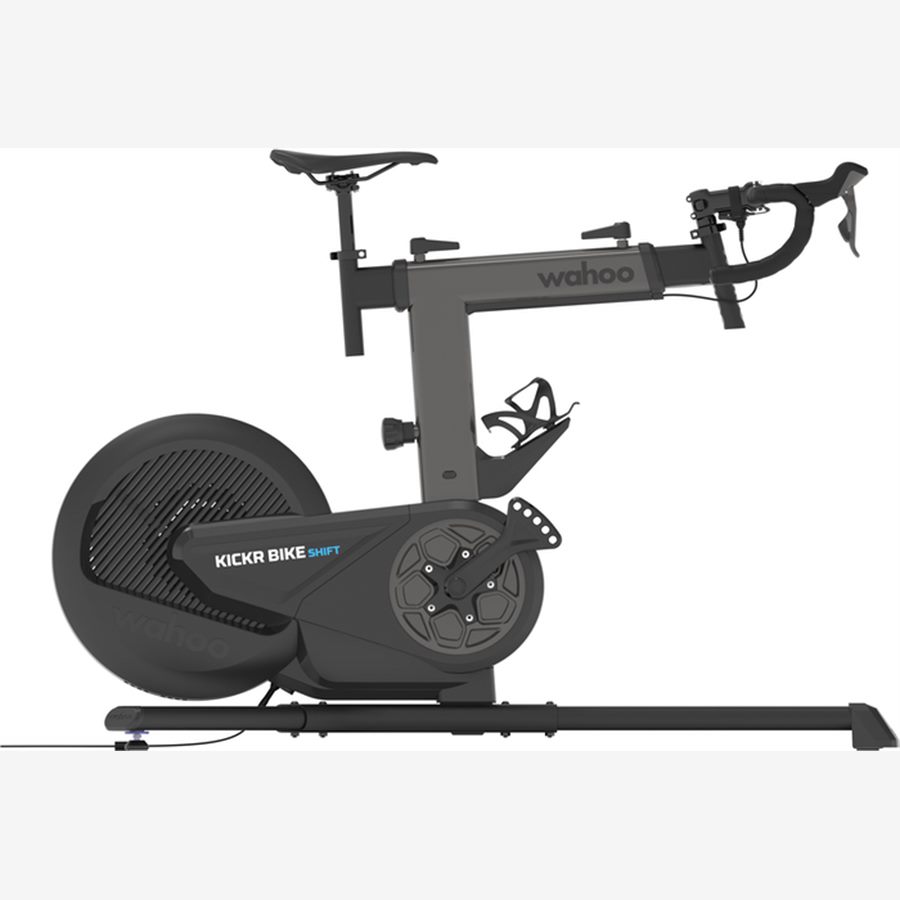
Once you decide against putting your outdoor bike on a trainer, the next fork is which smart bike. Shift exists to answer “I want a KICKR Bike, but not the top SKU.”
In long-term coverage across the cycling press, Shift often wins pure value arguments inside Wahoo’s own lineup - fewer toys than Pro, most of the daily experience intact.
Specs
- Brand
- Wahoo
- Max power
- High electromagnetic resistance (Wahoo smart-bike class)
- Power accuracy
- Claimed high-accuracy integrated power
- Grade simulation
- Resistance / ERG simulation (see current model sheet)
- Connectivity
- Bluetooth, ANT+ FE-C, Wi‑Fi
- Noise
- Quiet belt-driven resistance unit
- Weight
- ≈36 kg / 79 lb
- Platforms
- Zwift, TrainerRoad, Rouvy, MyWhoosh, major FE-C apps
Manufacturer claims and editorial research. Confirm firmware and packaging before you buy.
Where Shift sits in the market
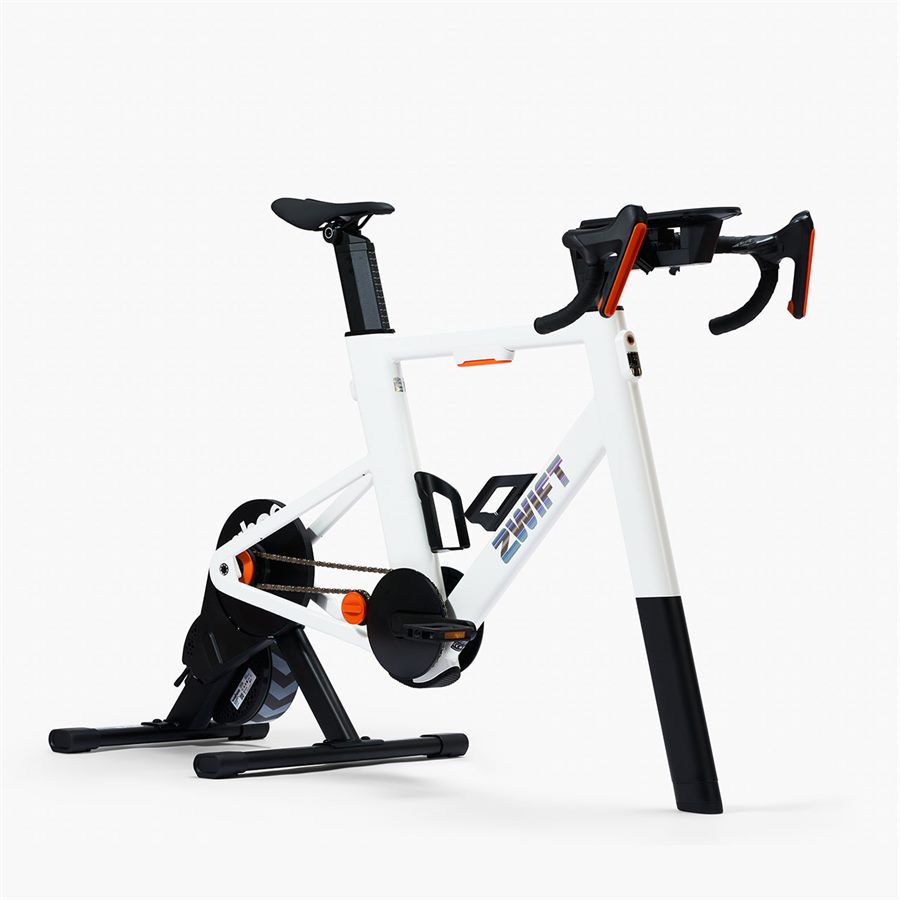
Above Zwift Ride on app breadth and full smart-bike adjustment; below Pro on physical grade movement and price. That middle lane is where many serious indoor riders belong.
| Bike | Approx. price | Standout |
|---|---|---|
| Zwift Ride + Core 2 | ≈ $1,300 | Cheapest dedicated path |
| KICKR Bike Shift | ≈ $2,549 | Wahoo dedicated bike value |
| KICKR Bike Pro | ≈ $3,999 | Physical grade flagship |
Daily use: why dedicated bikes win adherence
The underrated feature of any smart bike is behavioral: lower friction to start a workout. No rear wheel off, no sweat-covered outdoor bike, no “I need 10 minutes to set up.”
Shift delivers that habit loop. If you miss workouts because setup friction is real, a dedicated bike can be worth more than another 0.5% of power accuracy.
Measure your weekly indoor hours honestly. Under 3-4 hours, a trainer is usually enough. Over 6-8 hours year-round, dedicated bikes start to make economic sense.
Tradeoffs vs Pro and vs trainers
You give up some flagship realism versus Pro and dual-use outdoor-bike economics versus a Core 2. You gain broader app support than Ride's current Zwift/ROUVY integration.
Pick Shift over Pro
When budget matters and you will not use physical grade enough to justify ~$1,500 more.
Pick a trainer over Shift
When you already own a bike you are willing to leave indoors part-time.
Key takeaways
- Shift is the “default Wahoo smart bike” recommendation for most non-Pro buyers.
- Still expensive versus any direct-drive trainer.
- Broader multi-app flexibility remains a Wahoo strength versus the Zwift/ROUVY-focused Ride frame.
Pricing
Shift prices float with promotions; recent list levels sit well below Pro while remaining a premium appliance.
KICKR Bike Shift
Recommended$2,549
Hardware only
- Dedicated indoor smart bike
- Wahoo ecosystem + multi-app pairing
- Lower price than Pro
Confirm current list and sale pricing. Regional availability can lag flagship SKUs.
Pros and cons
Pros
- Best value inside Wahoo’s smart-bike family for many buyers
- Always-ready dedicated frame
- Not locked to a single training app
Cons
- Still costs more than excellent trainers
- Not the max-realism Pro experience
- Footprint and weight are real
FAQ
For most riders, yes - unless physical grade simulation is a top-three purchase reason.
Verdict
4.5 / 5
KICKR Bike Shift is the smart-bike pick we would shortlist first inside Wahoo’s lineup for riders who have already rejected trainers. It keeps the dedicated-bike lifestyle without forcing the Pro tax.
If you are not sure you want a second bike at all, stop - buy a Core 2 class trainer first. Smart bikes reward conviction, not curiosity.
Also consider


Related guides
Smart Bike vs. Direct-Drive Trainer: The Complete Buying Decision
Buying Guides · 18 min read
Best Indoor Smart Bikes 2026: Clear Picks by Budget
Roundups · 11 min read
Smart Bike Fit Guide: Match Your Outdoor Position Indoors
Setup & Installation · 14 min read
Smart Bike vs. Trainer Total Cost: A 3-Year Ownership Calculator
Buying Guides · 13 min read