Fast summary
- Indoor sweat rate is individual and changes with power, heat, humidity, clothing, acclimation, and fan setup.
- Estimate it with: pre-ride mass minus post-ride mass, plus fluid consumed, minus urine produced; divide by ride hours.
- Do not aim to gain body mass during exercise. Drinking beyond losses can be dangerous and sodium does not make overdrinking safe.
- Sweat sodium also varies widely. Use duration, visible salt loss, diet, repeated cramping history, and professional testing when needed—rather than copying a fixed internet dose.
A one-bottle-per-hour rule can under-hydrate one rider and over-hydrate the next. Indoors, the difference grows because a fan, closed door, room temperature, and workout power can change sweat loss without changing distance at all.
Measure the system you actually train in. One scale, a bottle weight or volume, and a repeatable ride produce a more useful starting point than an electrolyte brand's universal plan.
The practical sweat-rate calculation
Weigh yourself with minimal dry clothing immediately before the ride and again after toweling dry. Record every fluid consumed and any urine produced. One kilogram of body-mass change is approximately one liter of water for this field estimate.
- 1
Standardize the test
Record room temperature, fan position, clothing, workout power, duration, food, and time of day.
- 2
Measure bottle change
Use marked volume or weigh bottles before and after; one gram of water is approximately one milliliter.
- 3
Measure body mass
Use the same scale on a hard level floor, minimal clothing, and towel off before the post-ride measurement.
- 4
Calculate and label
Divide net fluid loss by hours and label the result with conditions such as 'tempo, 21°C, two fans.'
- 5
Repeat
Test easy, hard, cool, and hot sessions. A range is more useful than one universal number.
| Input | Example |
|---|---|
| Pre-ride body mass | 75.0 kg |
| Post-ride body mass | 74.4 kg |
| Fluid consumed | 0.50 L |
| Urine during ride | 0 L |
| Ride duration | 1.0 hour |
| Estimated sweat rate | (75.0 − 74.4 + 0.50 − 0) ÷ 1.0 = 1.10 L/hour |
Turn sweat rate into a drinking plan
The measured rate is not an order to replace every milliliter while riding. Full replacement may be uncomfortable or unnecessary, especially in shorter sessions. It defines the size of the problem and helps prevent large deficits across long rides or repeated sessions.
The ACSM and National Athletic Trainers' Association emphasize individualized plans because sweat rate, tolerance, access to fluid, and sodium losses vary. Start below your measured rate, drink in small regular amounts, and compare body-mass change, thirst, stomach comfort, urine, heart rate, and performance.
| Outcome | Interpretation |
|---|---|
| Small mass loss, comfortable, performance stable | Plan may be adequate for that duration and condition |
| Large repeated loss, high thirst, rising strain | Increase fluid availability and improve cooling; retest |
| Body mass increases during ride | You drank beyond net loss; reduce intake and review safety |
| Stomach sloshing | Rate or concentration may exceed gastric tolerance |
| Same bottles, hotter room | Do not assume the old plan still matches sweat loss |
Exercise-associated hyponatremia is strongly linked to excessive fluid intake. Never force fluid to the point of gaining body mass during a ride, and seek urgent help for confusion, severe headache, repeated vomiting, seizure, or altered mental state.
Sodium: important, variable, and badly marketed
Sodium is the main electrolyte lost in sweat, but concentration varies substantially between people. Total loss equals sweat volume multiplied by sweat sodium concentration. A high-volume sweater with moderate concentration can lose more sodium than a low-volume 'salty sweater.' White marks on clothing suggest salt loss but do not quantify it.
For short workouts, normal meals commonly replace losses. Sodium becomes more relevant with prolonged heavy sweating, hot conditions, repeated same-day sessions, or documented high losses. A sports dietitian or validated sweat test can help when precision matters. Do not use sodium as permission to overdrink; fluid excess remains fluid excess.
- Read sodium per serving and per bottle; products use different serving sizes.
- Count sodium from food and drink together during long sessions.
- Persistent cramps have multiple possible causes; they do not prove sodium deficiency.
- People with hypertension, kidney disease, heart conditions, or sodium-sensitive medical advice should not self-prescribe high sodium intake.
Cooling is the first hydration intervention
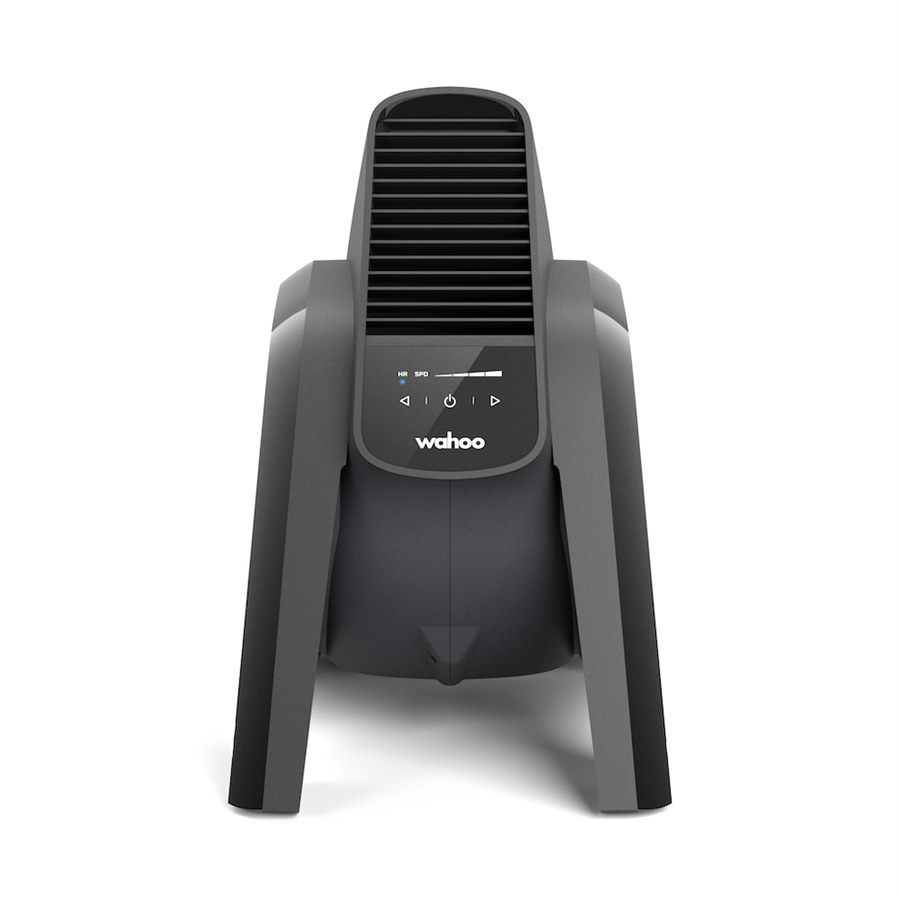
A fan reduces the need to produce sweat for a given power by improving evaporation and convective heat transfer. Better airflow can lower cardiovascular strain, preserve comfort, and reduce how much fluid you need to process. Drinking more does not replace the performance effect of moving air across the skin.
Aim high-volume airflow at the torso and face, ventilate the room, and remove unnecessary clothing. Repeat the sweat-rate test after changing fan setup; a better room can materially change the answer.
Separate fluid, carbohydrate, and sodium decisions
A sports drink can provide all three, but the three targets do not always rise together. On a cool long ride you may need carbohydrate without much fluid. In a hot easy session you may need more fluid than a concentrated carbohydrate bottle allows comfortably.
Use separate water and fuel when flexibility matters, or mix bottles to a known concentration and carry additional plain water. Record grams of carbohydrate, liters of fluid, and milligrams of sodium independently so you can identify which variable caused a good or bad result.
Replace the remaining deficit after training
Continue drinking with meals after a sweaty ride and include normal sodium-containing food. When rapid recovery is important, post-exercise replacement may need to exceed the measured remaining deficit because urine and ongoing sweat continue. Sip over time rather than forcing a large volume immediately.
Use urine color only as rough context; supplements, food, and timing affect it. Body-mass recovery, thirst, normal eating, and how you feel across the next several hours provide a fuller picture.
Key takeaways
- Measure sweat rate in the specific room and workout conditions you want to plan for.
- Sweat rate defines an estimated loss, not a requirement to replace 100 percent during exercise.
- Avoid body-mass gain during riding; excessive fluid intake can be dangerous.
- Sodium needs depend on both sweat volume and concentration and should not be copied blindly.
- Improve cooling before trying to solve preventable heat strain with more drink mix.
FAQ
There is no universal amount. Measure your sweat rate under comparable conditions, then start with a tolerable intake below that loss and adjust using body-mass change, thirst, comfort, and performance.
Sources and further reading
Primary research, public guidance, and product documentation used to check the claims in this guide.
- Exercise and fluid replacement position standAmerican College of Sports Medicine / PubMed
- Fluid replacement for the physically activeNational Athletic Trainers' Association
- IOC consensus on sport events in the heatBritish Journal of Sports Medicine