Most indoor noise is not a broken trainer. It is a loose cassette, dry chain, hollow floor, or a fan that sounds like a jet. Fix those first and you often get a quieter cave for free.
This guide is the maintenance and noise checklist we use after long blocks and after moves. Model manuals still win on torque values and freehub specifics.
Monthly routine that prevents most problems
- 1
Wipe sweat after every hard ride
Bars, stem, top tube, and the trainer body near the bike. Sweat is more corrosive than dust.
- 2
Lube and clean the chain on a schedule
Indoor chains stay dirty with less rain, but sweat and dust still grind. Quiet drivetrains start here.
- 3
Check cassette lockring and axle seating
A half-loose lockring is a classic tick or creak that follows cadence. Re-torque to spec.
- 4
Confirm firmware when you open the brand app
Do not update five minutes before a race. Update on an easy day, then do a short free ride test.
If you only do one thing: kill sweat on metal contact points. Corroded stems and bars ruin bikes faster than flywheels wear out.
Noise map: what you hear vs what it is
| Sound | Likely cause | First fix |
|---|---|---|
| Tick with every pedal | Cassette seating / lockring | Reseat cassette, torque lockring |
| Creak under load | BB, pedals, or axle not fully seated | Check bike fit hardware, remount bike |
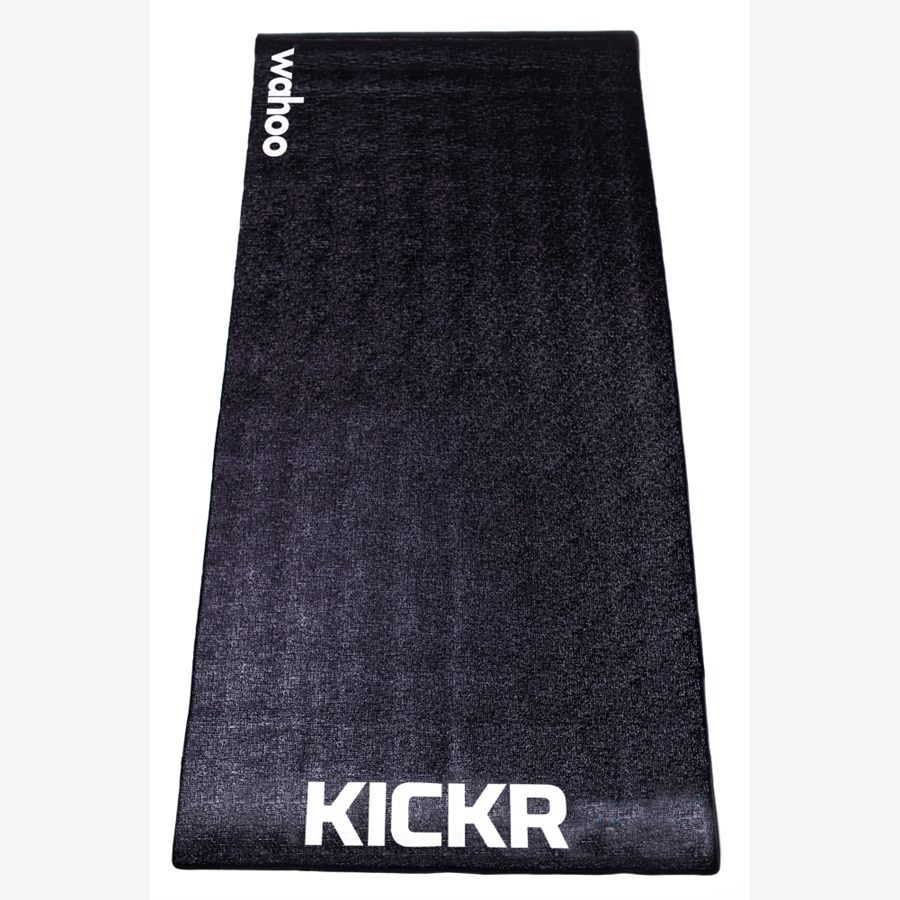
| Buzz into the floor | Hollow floor / no mat | Add mat; move away from joist edge |
| Fan roar | Fan, not trainer | Aim fan, try lower speed, different model |
| Electronic whine | Motor/drive under ERG | Often normal; compare free mode |
Placement fixes more noise than parts
A trainer on a mat on a solid floor is quieter for neighbors than the same unit on bare wood over a void. Level feet (including AXIS-style feet when available) reduce rocking that becomes slap noise when you stand.
Keep the unit away from loose furniture that resonates. A vibrating shelf of bottles can sound like a failing bearing.
- Mat first, then fancy isolation only if needed.
- Front wheel block height should match trainer geometry so the bike sits level.
- Cable clatter: zip-tie or route power cables so they cannot slap the frame mid-sprint.
When to stop and investigate
- Grinding that gets worse weekly and is not the chain.
- Sudden loss of resistance control after a drop or move.
- Power readings that jump wildly after a spindown still fails.
- Smell of burning electronics or visible damage.
Do not keep hammering a unit with a suspected internal failure. Document the noise (phone video helps support), check warranty, and contact the brand.
Longevity habits
Direct-drive trainers are appliances. They like stable temperature, dry storage when not used for months, and occasional use rather than years of complete neglect followed by max ERG.
If you pack the trainer away for summer, bag the freehub area lightly against dust and re-calibrate on return.
Key takeaways
- Sweat, chain, and cassette seating fix most 'broken trainer' sounds.
- Floor and mat matter as much as the flywheel for neighbor noise.
- Firmware and calibration are maintenance, not optional extras.
- Escalate early if grinding, power chaos, or electrical smells appear.
FAQ
When shifting gets sloppy or teeth look hooked, same as a road cassette. Indoor mileage adds up faster than people expect if you ride daily.